
 1/2
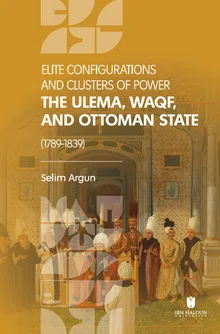
Elite Configuratıons and Clusters Of Power: The Ulema, Waqf, and Ottoman State (1789-1839)
Through the prism of Richard Lachmann's 'elite conflict theory of historical contingency,' this book brings a new perspective and a fresh interpretation to the study of the attitudes of the Ottoman central ulema toward the pre-Tanzimat Westernizing reforms. Contrary to the prevailing view of intra-elite vertical dichotomy conflict as the primary basis for ulema reacitions, this research proposes inter-elite horizontal conflict as the root cause for the failure of the reform initiatives. Moreover, this study challenges the commonly held belief that the goal of centralization of the revenues of religious endowments by the ruling authority was to silence ulema opposition to the Westernizing reforms. Instead, through a detailed examination of the evolution of early European taxation models and fiscal centralization trajectories, this research concludes that the Mahmudian centralization of awqaf should be seen, rather, as an emulation of the wider eco-geographic trend in response to the historical challenges faced by European states and the Ottoman Empire. By problematizing the prevailing nomenclature of Ottoman historiography, this research clarifies the longstanding misconceptions attached to the term ulema. Finally, through a comprehensive survey of waqf-elite relations, this study will advance the understanding of the dynamics of the pre-Tanzimat Ottoman Empire.
Künye
- Tür
- Tarih
- Basım yılı
- 2025
- ISBN
- 9786257249652
- Sayfa sayısı
- 308
- Dil
- İngilizce
- Yazar
- Selim Argun
Değerlendirmeler
- Görüntülenme
- 0
- Beğeni
- 0
- Puanlama
- 0
- Yorum
- 0
- Ortalama puan
- —